

Abeera Ziayi, founder of Global Empowerment Network. (Credit: Courtesy of Global Empowerment Network)
A Network for Empowering Women, From Afghanistan to the U.S.
Abeera Ziayi fled Afghanistan after the Taliban took power. Now, she’s launched an organization to lift up women, both back home and in the U.S.
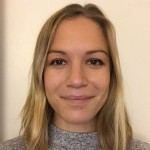
After a career as a defense attorney, university lecturer and advocate in Afghanistan, Abeera Ziayi – the founder of Global Empowerment Network – brought her commitment to women’s rights and education to the U. S. Established in 2024, her Washington, D.C.-based nonprofit supports women, immigrants and other underserved communities through a mix of educational programs, legal resources, and community services. Its work also reaches women and girls in Afghanistan, offering online learning and empowerment opportunities despite extraordinary barriers. For Ziayi, the mission is deeply personal: To turn years of advocacy, resilience and lived experience into a lasting ladder for others.
Here’s our lightly edited Q&A, from The Story Exchange 1,000+ Stories Project.
How is your business different from others in your industry?
We connect lived experience, legal knowledge, education and direct community support all within one organization. As an Afghan woman, former defense attorney, educator and human rights advocate, I understand many of the challenges faced by the women and communities we serve. We work across borders by supporting underserved individuals and immigrant communities in the U.S. while providing remote educational and empowerment programs for women and girls in Afghanistan.
Our programs are culturally responsive, accessible and designed around the actual needs of participants, rather than a one-size-fits-all approach. We also combine education with practical support and pro bono legal services so that participants can gain knowledge, confidence and meaningful pathways toward independence.
Tell us about your biggest success so far.
Transforming years of advocacy and volunteer work into a formally established U.S. nonprofit organization with federal 501(c)(3) status. Despite displacement, limited financial resources and the challenges of rebuilding my life in a new country, I created a network of committed volunteers and instructors. We have developed educational and empowerment programs in areas such as English, digital literacy, financial literacy, health awareness and professional development. Seeing women gain knowledge, confidence and hope through our programs is the achievement that means the most to me.
What is your top challenge and how have you addressed it?
Expanding our programs with limited funding, a small volunteer team and insufficient public visibility. The need for our services is much greater than our current financial and staffing capacity can meet, particularly because many participants cannot afford to pay for educational or legal support. I have addressed this challenge by recruiting volunteer instructors, developing partnerships, using online platforms and personally managing many areas of the organization. I am also building our public presence through our website, social media, community events, a newsletter and a developing podcast. Our next step is to strengthen our fundraising efforts, recruit skilled professionals to assist and establish sustainable partnerships that will allow us to serve more people without compromising the quality of our programs.
Have you experienced any significant personal situations that have affected your business decisions?
My years as a defense attorney, university lecturer and advocate in Afghanistan gave me a front-row seat to discrimination, poverty, violence and the myriad barriers preventing women and children from accessing justice and education. After the Taliban returned to power, I was forced to leave Afghanistan and rebuild my life in the U.S., which helped me understand the challenges faced by displaced people and immigrants. Losing my parents also strengthened my desire to create meaningful work that honors their values and continues their legacy of service. Although limited finances and the demands of studying law in the U.S. have affected how quickly GEN can grow, these experiences have made me more determined to build an organization that creates lasting opportunities for others.

What is your biggest tip for other startup entrepreneurs?
Begin with a clear mission, but try not to do everything at once. When I started, I believed that commitment and hard work alone would be enough. I later learned the importance of building systems, documenting results and asking for support. Start with one strong and manageable program, measure its impact and expand it gradually. Choose reliable team members and establish clear responsibilities from the beginning. Most importantly, do not wait for perfect conditions, because meaningful organizations are often built step by step with limited resources.
How do you find inspiration on your darkest days?
I find strength through my faith in God, prayer and the belief that hardship does not last forever. I also remember my parents, their values and the sacrifices they made, which remind me to continue serving others. The resilience of Afghan women and girls who continue learning despite extraordinary obstacles gives me renewed determination. Messages from participants who say that one of our programs gave them knowledge, confidence or hope are especially meaningful to me. These reminders help me understand that even a small act of service can create a lasting difference in someone’s life.
What is your go-to song to get motivated on tough days?
There are many beautiful and inspiring songs in different languages that motivate me during difficult days. I am especially inspired by songs in Pashto, my native language, because they connect me to my identity, culture and homeland.
Who is your most important role model?
My parents. They taught me the values of faith, service, perseverance and compassion. Their example shaped my belief that educating and helping others are among the most meaningful ways to live. Even after losing them, their guidance has continued to influence my personal and professional decisions. Their memory gives me strength during difficult periods and reminds me to use my opportunities to help people who have fewer resources.